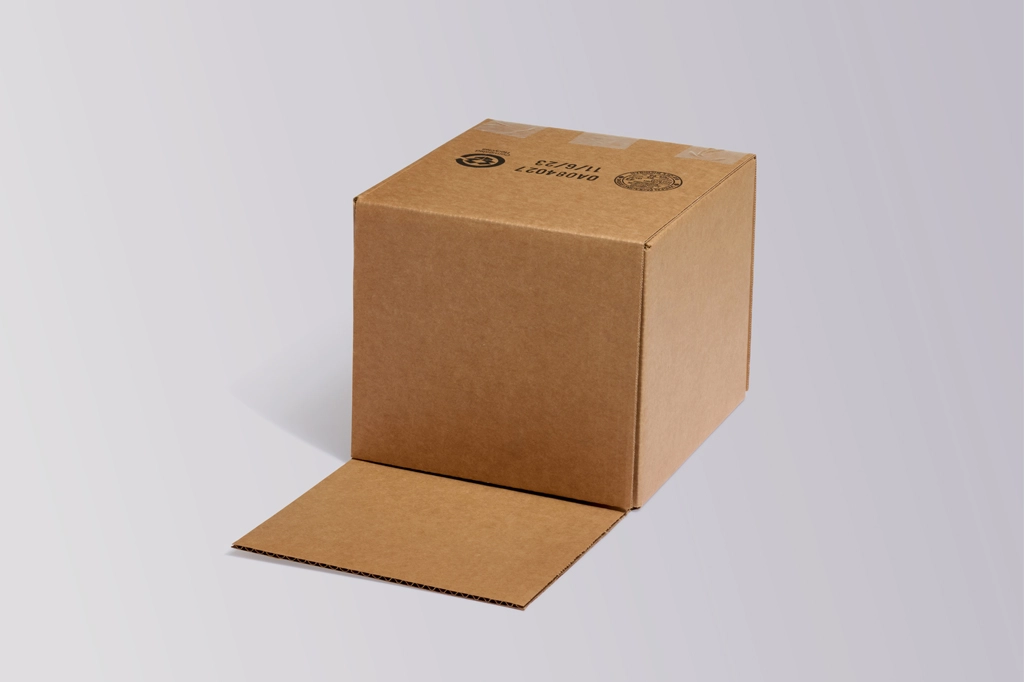
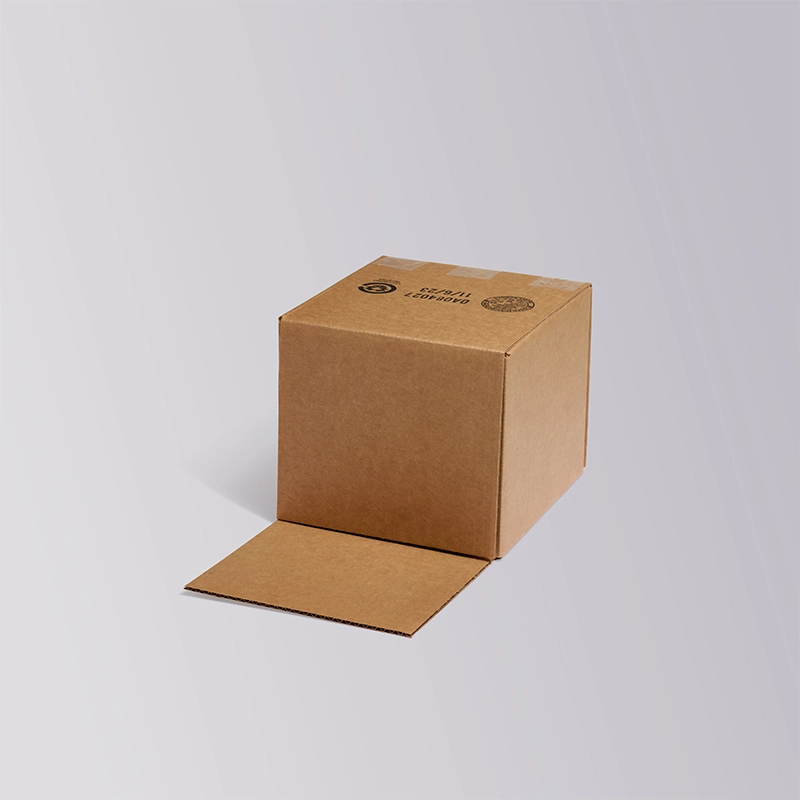
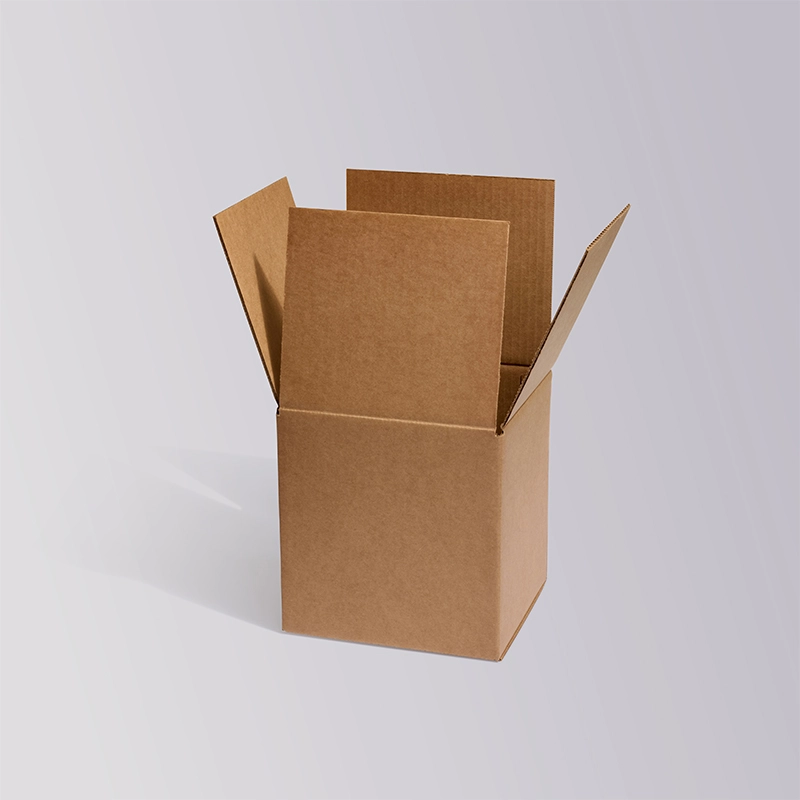
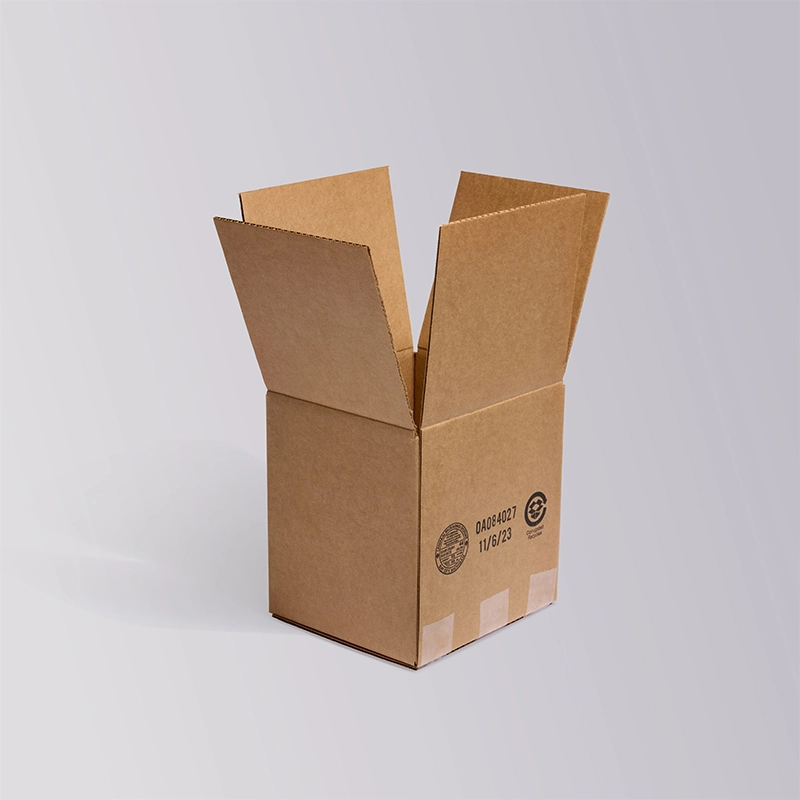
The flaps on these cartons are engineered for strength and durability. With the longest outer flaps that overlap within one inch of a complete overlap, they provide enhanced stacking strength and edge protection. This design is perfect for withstanding rough handling and ensuring your items stay secure, embodying the reliability and resilience you need.
Compare the flap design with a regular slotted container to choose the right closure for your product.
A full overlap slotted carton, or FOL box, has outer flaps that extend nearly the full width of the box and overlap when closed. The overlapping corrugated adds material across the top and bottom, helping the carton resist rough handling and protect edges while improving stacking performance in the appropriate orientation.
A RSC has outer flaps that meet at the center, while a FOL has longer outer flaps that overlap almost completely. That extra layer can add cushioning and strength where the flaps overlap. A RSC is usually the more material-efficient general-purpose option. A FOL is favored when added protection justifies the extra board.
The near-full overlap creates extra corrugated thickness over much of the closure area. Depending on how the carton is stacked, that can improve edge protection, cushioning, and compression performance. Board grade, flute, dimensions, humidity, pallet pattern, load, and closure method still determine real-world strength.
Full overlap boxes are commonly used for products that need added corrugated coverage across the top and bottom, especially when edge protection, rough handling, or stacking are concerns. They are often used for fragile goods, dense parts, books, tile, furniture components, appliances, and tool kits. Product weight, fragility, primary containment, pallet pattern, humidity, and distribution hazards should determine the board and closure.
Yes. Options can include double-wall construction, foam inserts, exterior graphics, reinforced flaps, inside printing, and barcoding. Print methods can include flexographic, lithographic, and digital printing. The right features depend on product vulnerability, load, handling, identification, and branding needs.
Need More Information?
Not sure where to start? Fill in the form below and someone from our team will reach out to you to help you find the ideal solution for your specific needs.
Contact Us
Contact us today to learn more about how we can optimize your packaging strategy, grow your audience, and drive your business toward success. Let’s work together to create endless possibilities for you and your clients.